
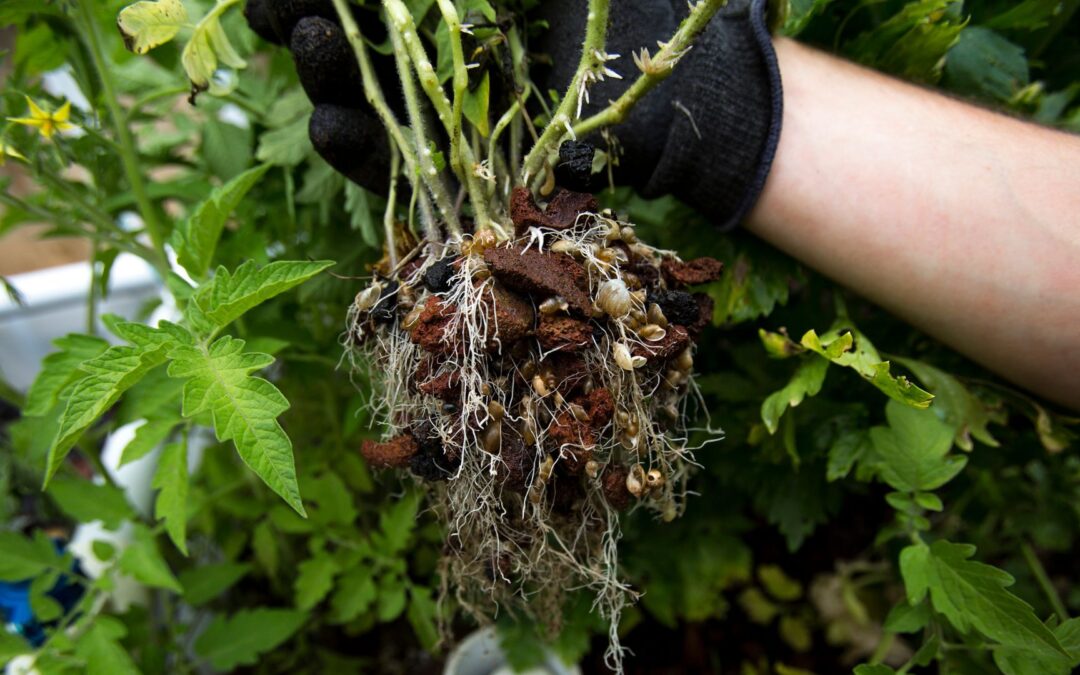
Phosphate fertilizers are essential for promoting strong root systems in plants. Phosphorus, a critical nutrient in these fertilizers, supports early-stage plant development and contributes to energy transfer within the plant. In this article, we’ll discuss the importance of phosphate fertilizers, their benefits for root growth, best practices for application, and how to use them sustainably.
What Are Phosphate Fertilizers?
Phosphate fertilizers provide plants with phosphorus, one of the three primary macronutrients alongside nitrogen and potassium. Phosphorus is vital for processes like photosynthesis, energy transfer, and root development.
There are different types of phosphate fertilizers, including:
- Rock Phosphate: A natural mineral form of phosphorus.
- Superphosphate: Processed phosphate fertilizers that offer a more readily available form of phosphorus.
Phosphorus is often limited in soils, particularly in areas with poor soil quality. Adding phosphate fertilizers ensures that plants have access to the phosphorus they need to grow strong, healthy roots.
Phosphate and Root Development
Phosphorus plays a key role in promoting root growth. Healthy roots are essential for a plant’s ability to absorb water and nutrients from the soil. In the early stages of plant growth, phosphorus supports the development of a deep, robust root system, which is crucial for overall plant health and crop yield.
Phosphorus-deficient plants often have stunted root systems, leading to poor nutrient uptake, slower growth, and lower productivity. With an adequate supply of phosphate fertilizers, plants can develop stronger roots, which in turn supports better growth and resilience.
Best Practices for Applying Phosphate Fertilizers
To get the best results from phosphate fertilizers, it’s important to apply them correctly. Phosphorus tends to stay in the soil, so over-application can lead to buildup over time. Here’s how to optimize your use of phosphate fertilizers:
- Apply Early: Phosphate fertilizers are most effective when applied early in the growing season, as phosphorus is needed most during the initial stages of plant development.
- Test Your Soil: Soil testing is key to determining how much phosphorus your soil needs. This helps you avoid over-application, which can lead to environmental issues like runoff.
- Use Banding Methods: Banding is a technique where phosphate fertilizer is placed in rows near the seed, ensuring that the nutrients are readily available for root uptake.
Phosphate Fertilizers and Soil Health
While phosphate fertilizers are beneficial for plants, it’s important to use them in a way that maintains soil health. Excess phosphorus can lead to environmental issues such as water pollution. Here are some tips for sustainable phosphorus management:
- Avoid Over-Application: Too much phosphorus can lead to water pollution, particularly when it runs off into nearby rivers and lakes. Use the right amount based on soil testing.
- Incorporate Organic Matter: Adding organic matter to your soil can improve phosphorus uptake by increasing soil microbial activity.
- Rotate Crops: Crop rotation helps maintain soil balance and reduces the need for large amounts of phosphorus fertilizers.
Conclusion
Phosphate fertilizers are crucial for developing strong root systems in plants. By applying these fertilizers early and correctly, you can ensure healthy root growth and better crop yields. Remember to manage phosphorus use sustainably to protect soil health and the environment.
FAQ Section
- What is phosphate fertilizer?
Phosphate fertilizers provide phosphorus, which is essential for root development and energy transfer in plants. - Why is phosphorus important for plants?
Phosphorus helps plants develop strong roots and is vital for energy transfer and photosynthesis. - How can I tell if my crops need phosphate fertilizers?
Signs of phosphorus deficiency include stunted growth and weak root systems. - What is the best way to apply phosphate fertilizers?
Apply early in the growing season using methods like banding to ensure proper uptake.