
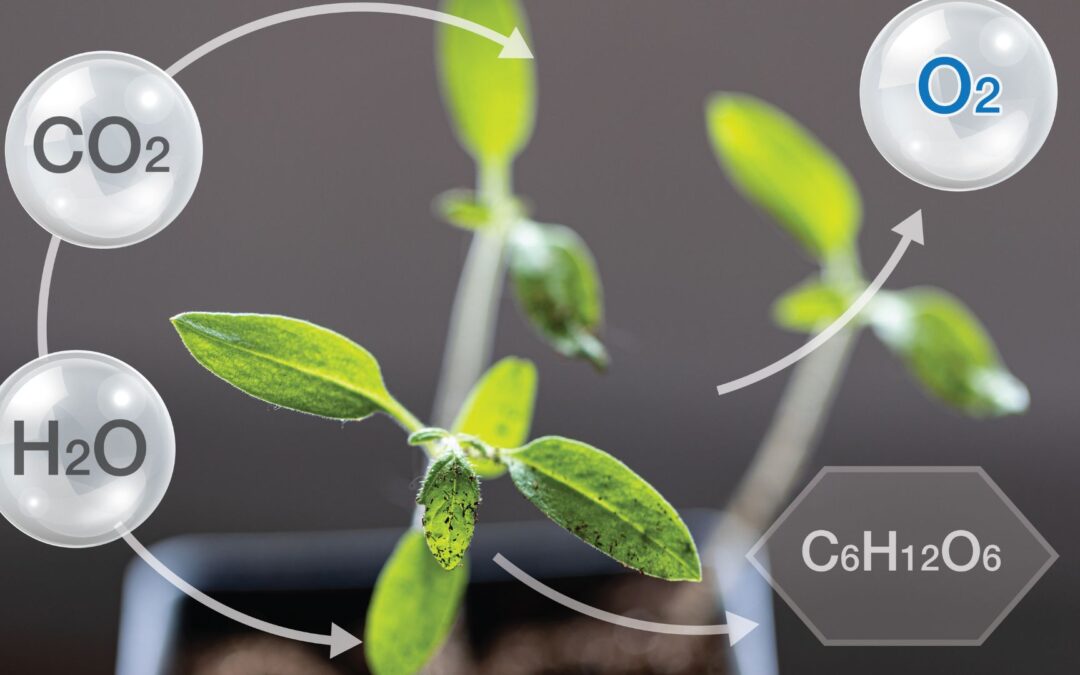
Magnesium is a vital nutrient that plays a central role in photosynthesis, the process by which plants convert sunlight into energy. Magnesium fertilizers provide the essential magnesium needed for the production of chlorophyll, the green pigment in plants responsible for absorbing light. In this blog, we’ll discuss the importance of magnesium in photosynthesis, how to identify magnesium deficiencies in crops, and the best practices for using magnesium fertilizers.
What Are Magnesium Fertilizers?
Magnesium fertilizers are used to provide plants with the magnesium they need for various physiological functions. The most common types of magnesium fertilizers include:
- Magnesium Sulfate (Epsom Salt): A water-soluble form of magnesium that is easily absorbed by plants.
- Dolomitic Lime: A natural form of magnesium combined with calcium, often used to adjust soil pH and provide magnesium simultaneously.
Magnesium is a key component of chlorophyll molecules, making it directly responsible for a plant’s ability to capture light energy for photosynthesis. Without adequate magnesium, plants cannot produce enough chlorophyll, which leads to poor energy production and stunted growth.
The Role of Magnesium in Photosynthesis
Magnesium is often referred to as the “powerhouse” element because of its essential role in photosynthesis. Chlorophyll, which gives plants their green color, contains magnesium at its core. This magnesium allows plants to capture sunlight and convert it into chemical energy, a process that drives all plant growth.
In addition to supporting chlorophyll production, magnesium helps regulate enzyme activity in plants, aids in nutrient uptake, and plays a role in the transport of energy within the plant.
Best Practices for Applying Magnesium Fertilizers
To ensure your crops receive enough magnesium for optimal photosynthesis, follow these best practices:
- Soil Testing: Test your soil to determine the magnesium levels before applying fertilizers. Low magnesium levels can result in poor photosynthesis and reduced plant growth.
- Apply Magnesium Fertilizers During Key Growth Stages: Magnesium is most needed during periods of active growth, especially when plants are developing new leaves or producing flowers and fruits.
- Use Water-Soluble Forms: Magnesium sulfate (Epsom salt) is a water-soluble form of magnesium that can be applied through irrigation systems, making it easy for plants to absorb.
- Correct pH Imbalances: Soil pH can affect magnesium availability. If your soil is too acidic, magnesium may be locked in the soil and unavailable to plants. Consider using dolomitic lime to both raise the pH and provide magnesium.
Identifying and Correcting Magnesium Deficiency
Magnesium deficiency is a common issue in crops, especially in sandy or acidic soils. Some of the most noticeable symptoms of magnesium deficiency include:
- Yellowing Between Leaf Veins: This symptom, known as interveinal chlorosis, often starts on older leaves and spreads to the rest of the plant if not corrected.
- Reduced Growth: Magnesium-deficient plants will exhibit slower growth and may have smaller, pale leaves due to insufficient energy production.
- Poor Fruit and Flower Development: Without enough magnesium, plants cannot produce the energy needed for fruit and flower development, leading to reduced yields.
To correct magnesium deficiency, apply magnesium sulfate to the affected plants. Foliar sprays can also provide a quick solution, delivering magnesium directly to the leaves for rapid uptake.
Conclusion
Magnesium fertilizers are essential for promoting photosynthesis and ensuring healthy plant growth. By understanding the importance of magnesium in chlorophyll production and implementing best practices for magnesium fertilizer application, you can support your plants’ energy needs and improve crop performance. For more details on our magnesium fertilizer options, visit the SA Fert product page or contact us for expert advice.
FAQ Section
- What is magnesium fertilizer?
Magnesium fertilizers provide magnesium, which is essential for chlorophyll production and photosynthesis. - Why is magnesium important for photosynthesis?
Magnesium is a core component of chlorophyll, allowing plants to capture sunlight and produce energy. - How do I know if my soil lacks magnesium?
Signs of magnesium deficiency include yellowing leaves and poor plant growth, especially in older leaves. - What is the best way to apply magnesium fertilizers?
Apply magnesium sulfate during key growth stages, and consider foliar sprays for quick correction of deficiencies.